Laparoscopic sleeve gastrectomy
A portion of the outer stomach is removed, leaving a narrow sleeve. Reduces hunger signals and improves satiety.
Surgical options, preparation and follow-up coordinated by one specialist team.
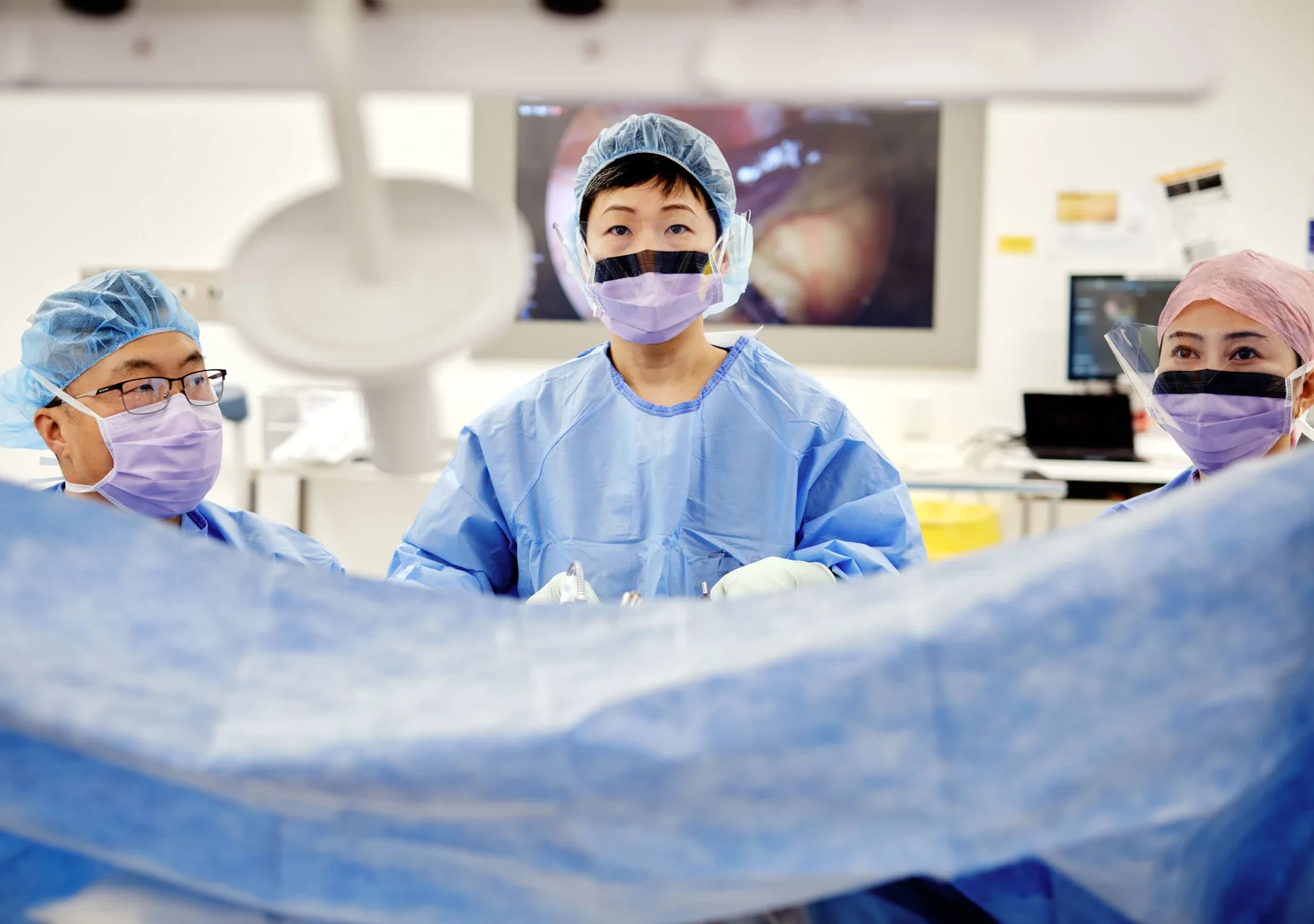
Suitability is assessed individually. Review includes diet and family history, existing medical conditions and treatment goals.
Weight-related conditions include:
Two quick questions to help you understand whether metabolic bariatric surgery may be an option worth discussing. This is general guidance only, not a medical assessment.
What is your body mass index (BMI)?
BMI is a measure based on your height and weight. Select the range that applies, or use the calculator below.
Not sure of your BMI? Calculate it here
Enter your height and weight to see your BMI.
Do any of these apply to you?
Select all that apply, or none.
Your answers are saved in this browser session only and are not sent anywhere.
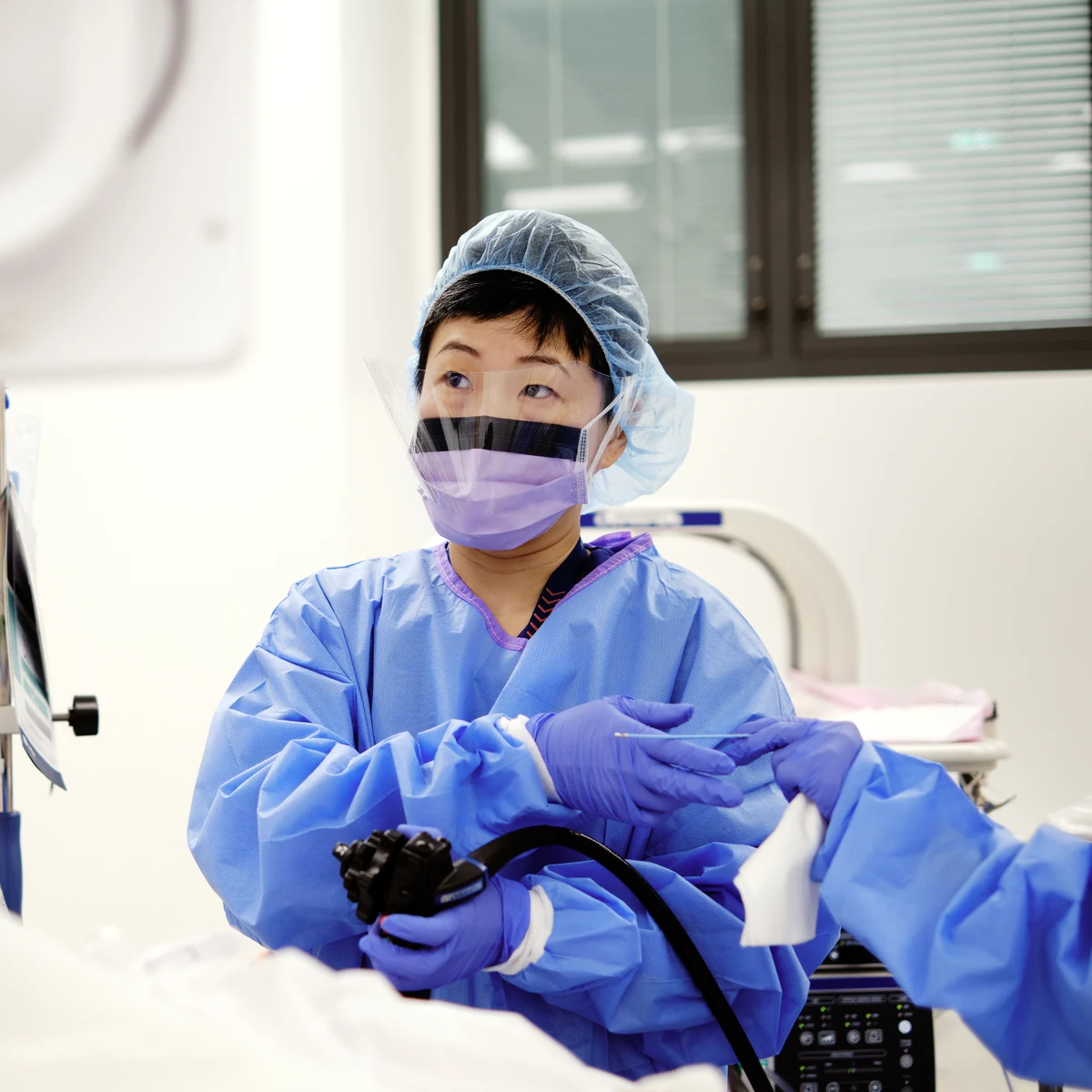
Preparation before surgery.

Pre-operative assessment: investigations, medications, existing health conditions, anaesthetic considerations and health optimisation.

Dietitian-led preparation: a pre-operative very low calorie diet where required, protein, hydration, supplements and eating immediately after surgery.

Clinical and nursing education: surgery-day arrangements, the procedure, expected symptoms, medications, warning signs and recovery.

Recovery planning: exercise, movement, time away from work, home support, psychological readiness and realistic expectations for the first few weeks.
Every Meridian surgical patient completes our Foundation Program before surgery. Together with your surgeon, dietitian and nursing team, we make sure you understand what lies ahead, are appropriately prepared for your procedure and have a clear plan for your recovery.
The first twelve months include structured recovery, dietary progression and metabolic review.
Your first appointment covers your medical history, weight history, eating patterns and goals. We discuss all relevant surgical and medical options together and provide a written plan.
Our thorough assessment includes dietitian review, blood tests and body composition. Additional investigations such as gastroscopy or a sleep study may be arranged if needed, as well as physician review where required.
Once the decision to proceed is made, you complete our structured preparation phase covering health, nutrition, understanding and readiness, so you arrive at surgery prepared and with a clear plan for recovery.
Surgery is performed laparoscopically at a connected private hospital. Most patients stay one to two nights. Structured recovery protocols help you return to normal activity as comfortably and quickly as possible.
Scheduled follow-up across the first twelve months covers diet progression, clinical symptom monitoring, nutritional blood tests and supplement review.
Many patients continue with regular reviews beyond the first year. Ongoing care supports durable outcomes and gives you a team to return to as your needs change over time.