Upper GI & Surgical Care.
Anti-reflux surgery, hiatus hernia repair, gallbladder surgery, hernia repair, and oesophageal and gastric cancer surgery.
Performed by Upper GI surgeons within a single clinical team.
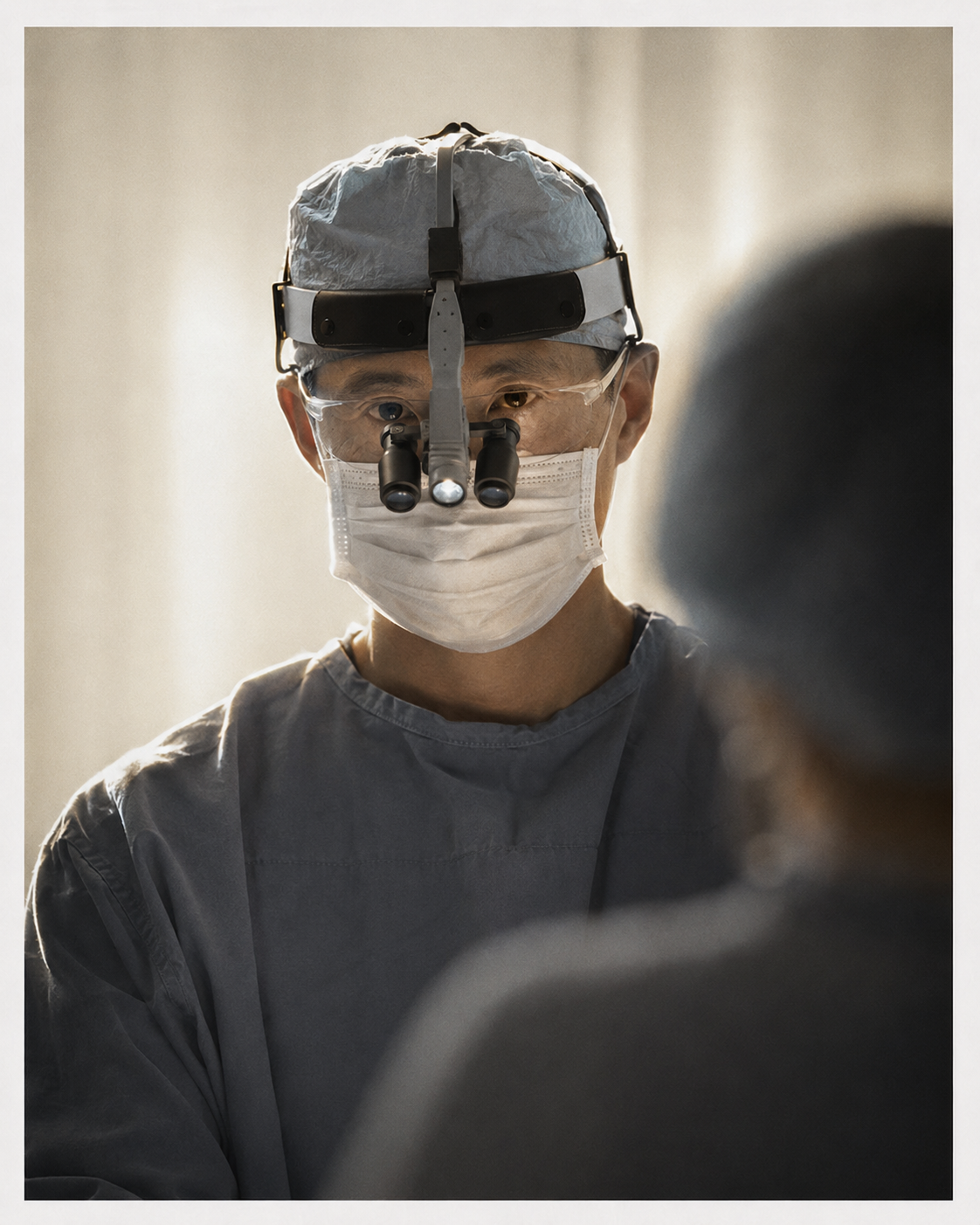
Laparoscopic and open Upper GI surgery, in a single surgical service.
This pathway is designed for patients requiring specialist upper gastrointestinal surgical assessment.
Patients are commonly referred for reflux, hiatus hernia, gallbladder conditions, abdominal wall hernia or upper gastrointestinal cancer care and achalasia.
Referrals are welcomed from general practitioners and gastroenterologists. Self-referral is also appropriate.
This pathway commonly includes patients with:
- Reflux or regurgitation not adequately controlled with medication
- Hiatus hernia or para-oesophageal hernia
- Symptomatic gallstones or gallbladder conditions
- Inguinal, umbilical or abdominal wall hernias
- Oesophageal or gastric cancer
- Achalasia and oesophageal motility disorders
- Difficulty swallowing (dysphagia)
- Barrett's oesophagus and complex foregut conditions
A quick guide.
Select any symptoms or conditions that apply to help you understand whether this pathway is the right starting point. This is general guidance only, not a medical assessment.
Which of these apply to you?
Select all that apply, or none if you’re unsure.
Surgical procedures we perform.
Anti-reflux surgery and hiatus hernia repair
If reflux or a hiatus hernia is affecting your quality of life and hasn't responded to medication, surgery may be the right next step. The type of repair is guided by your symptoms, motility testing and anatomy.
Achalasia treatment
Achalasia is a condition in which the lower oesophageal sphincter fails to relax normally, making it difficult or impossible to swallow. Diagnosis is confirmed with oesophageal manometry and gastroscopy. Surgical treatment options include laparoscopic Heller myotomy, a minimally invasive procedure that divides the muscle at the lower oesophagus to restore normal passage of food, typically combined with a partial fundoplication (Dor or Toupet) to reduce the risk of reflux after surgery. Per-oral endoscopic myotomy (POEM) is also available and may be considered depending on the achalasia subtype and individual circumstances. The appropriate procedure is chosen after full physiological assessment.
Gallbladder surgery
Laparoscopic removal of the gallbladder for gallstones, biliary colic, cholecystitis or gallbladder dysfunction.
Abdominal hernia surgery
Repair of inguinal, umbilical, incisional and abdominal wall hernias using open or minimally invasive techniques. The approach is planned around your anatomy, the size of the defect and your recovery goals.
Upper gastrointestinal cancer surgery
Gastrectomy and oesophagectomy for gastric and oesophageal cancer, delivered as part of a multidisciplinary pathway alongside oncology, gastroenterology and perioperative care teams.
Revisional and complex upper digestive surgery
If a previous anti-reflux or upper GI procedure hasn't held or has caused new symptoms, we carefully assess the cause of your symptoms and discuss the options available. This includes recurrent reflux, recurrent hernia, dysphagia and mesh-related concerns.
Diagnostic procedures we perform.
Gastroscopy
Gastroscopy and upper GI investigations to assess symptoms, monitor known conditions and plan treatment. Often the first step before any surgical decision is made.
Oesophageal Manometry
A test that measures how well the muscles of the oesophagus are working. A thin, flexible tube is passed through the nose and down into the stomach, where pressure sensors record muscle activity as you swallow small sips of water.
24-Hour pH Study
Often done alongside manometry, this test monitors acid levels in the oesophagus over a full day while you go about your normal activities. It helps confirm reflux, link symptoms to acid episodes, and assess how well medication is working.
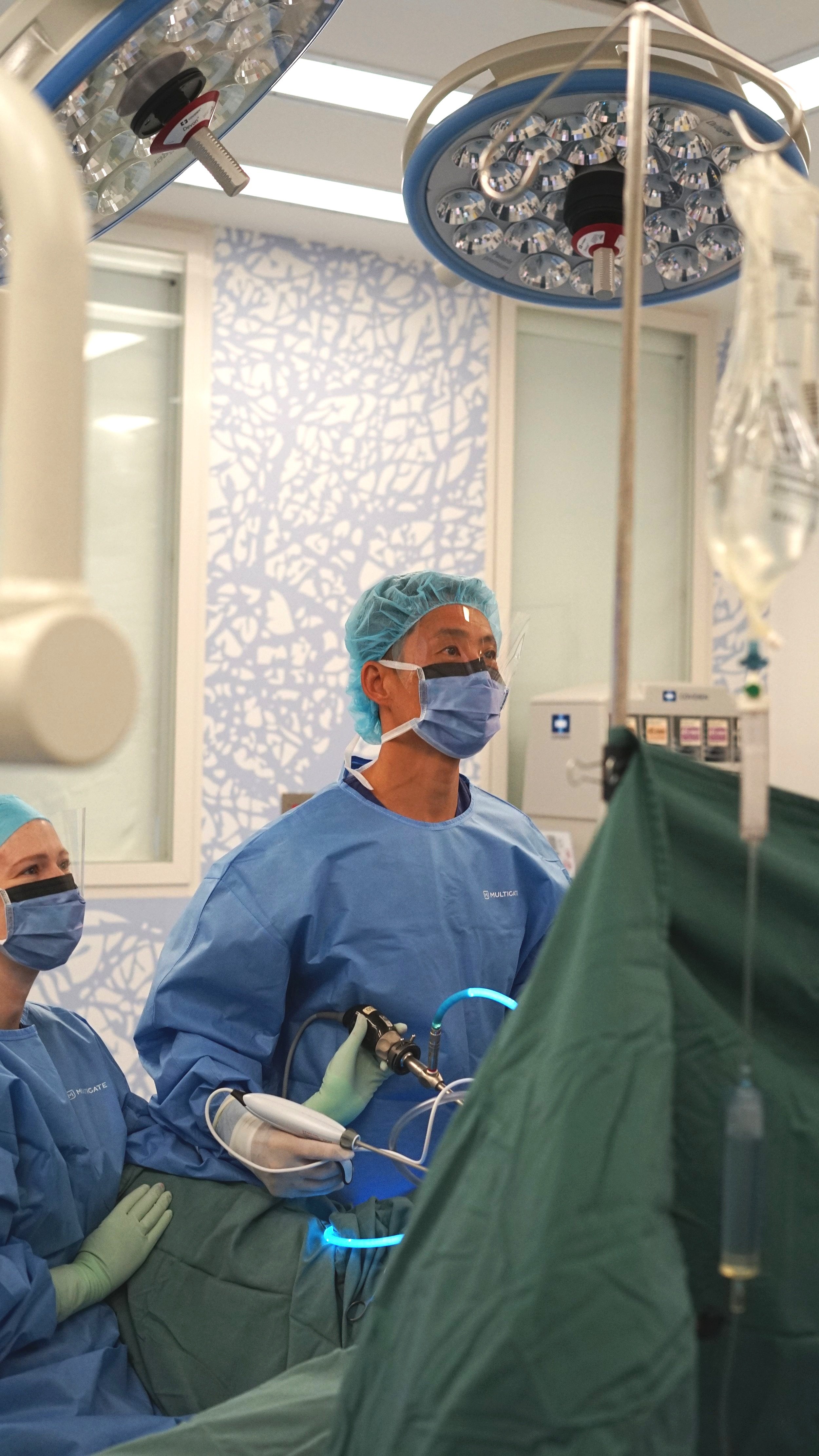
Laparoscopic and open Upper GI procedures, performed at St Vincent’s Private Hospital.
The Meridian Foundation Program.
Building the foundations for surgery, recovery and long-term health.
Health
Making sure you are medically ready: investigations, medications, existing health conditions, anaesthetic considerations and anything that needs optimising before surgery.
Nutrition
Dietitian preparation where it matters: a specific pre-operative diet where required, protein and hydration, supplements, and what eating will look like immediately after your procedure.
Understanding
Nurse and clinical education: what happens on the day, what surgery actually involves, expected symptoms, medications, warning signs and what recovery normally looks like.
Readiness
Preparing life around the operation: exercise and movement, time away from work, home support, psychological readiness, realistic expectations and planning for the first few weeks.
Surgery is one part of your treatment. Preparation matters too.
Every Meridian surgical patient completes our Foundation Program before surgery. Together with your surgeon, dietitian and nursing team, we make sure you understand what lies ahead, are appropriately prepared for your procedure and have a clear plan for your recovery.
From first consultation through to recovery and follow-up, care remains coordinated through the same team.
Surgical consultation
Your first appointment covers your symptoms, relevant history and any investigations you have already had. Your surgeon will walk through the options and provide a clear written management plan.
Targeted investigations
If more information is needed before a decision is made, investigations may include gastroscopy, oesophageal manometry, pH monitoring, CT or ultrasound. Tests are chosen to answer a specific clinical question, not ordered as a matter of routine.
The Meridian Foundation Program
Once the decision to proceed is made, you complete our structured preparation phase covering health, nutrition, understanding and readiness, tailored to your procedure, so you arrive at surgery prepared and with a clear plan for recovery.
Surgery and hospital stay
Most upper GI procedures are performed laparoscopically. Many surgeries require only a short admission. More complex cancer surgery may involve a longer stay with additional perioperative support coordinated across the team.
Follow-up and ongoing care
After surgery, structured follow-up monitors your recovery, swallowing and nutrition. If you are undergoing cancer treatment, you remain within a multidisciplinary pathway with oncology, gastroenterology and radiology involved throughout.